

I learned to ski on a beginner to intermediate pair, and that was the right call at the time. When my skiing moved up to an advanced level, I wanted a ski that could keep up. This is the honest story of how I chose the Blizzard Bonafide, what I like about it, and what I would tell anyone shopping for their first serious pair.
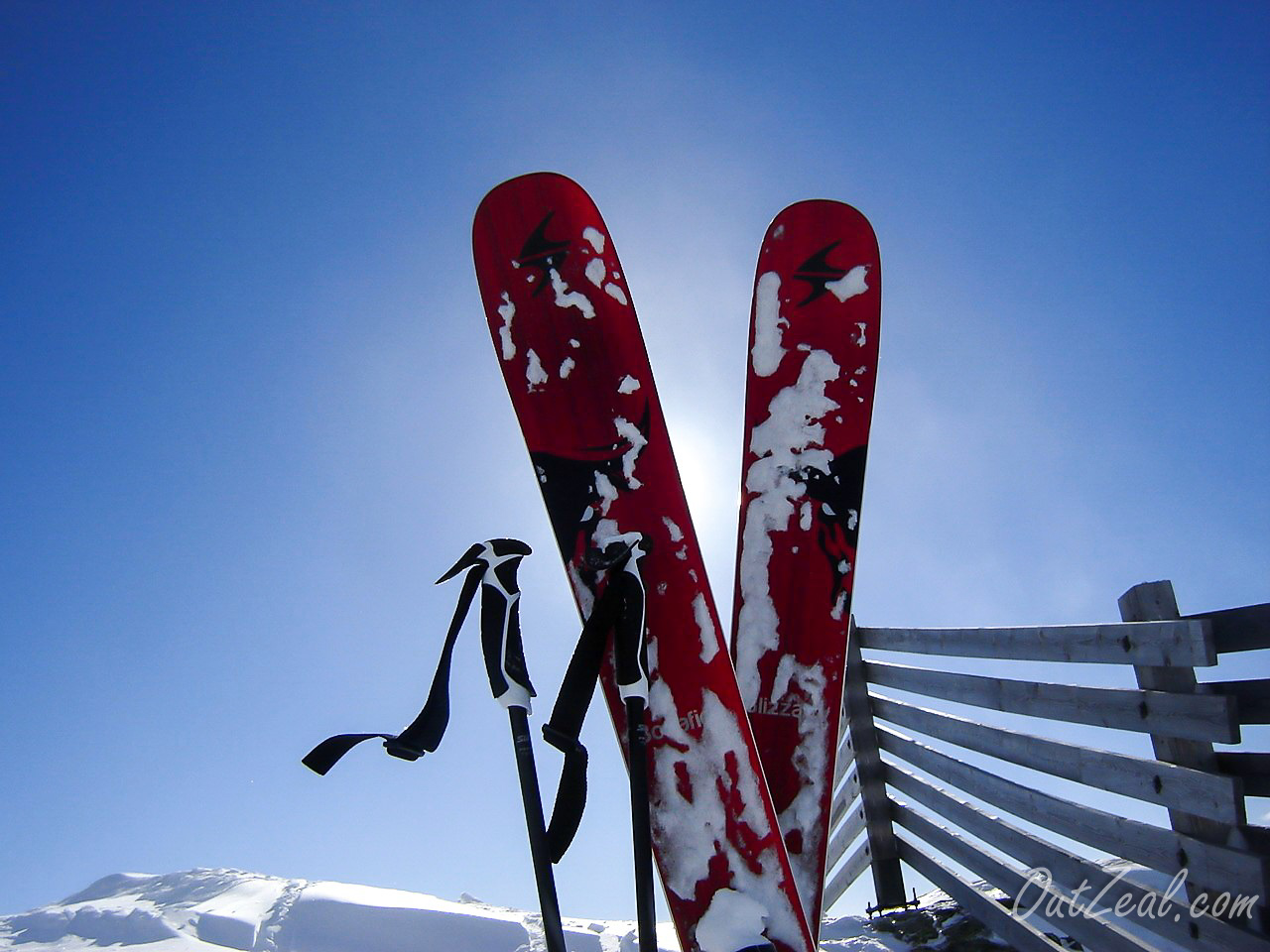
A shot from my February 2015 trip: "My orange-red skis and poles ready for the day, with fresh morning air and clear skies over the mountains of Hemsedal, Norway."
Demo Before You Buy
When I was ready for a more advanced ski, I was skiing in Vail, Colorado. Many shops in big resorts like Vail let you demo or rent different models before you buy, and that is the best way to choose. I tried several, including a K2 and the Rossignol Soul 7, before I settled on the Bonafide.
Spec sheets and reviews help, but nothing replaces a few runs on your own snow, at your own speed.
My Honest Take on the Bonafide
- It is demanding: the Bonafide asks for a little more effort to turn. It rewards good technique and a strong stance, and it does not do the work for you.
- Speed stability is the big plus: in crud, chopped-up snow and rough afternoon conditions, it stays calm and planted where softer skis get knocked around.
- Not the easiest choice for my level then: looking back, the Soul 7 might have suited me better at the time and been easier to handle.
So why did I buy it? Partly, I had a soft spot for it. Maybe it was a bit of machoism. The other reason was practical: I picked a ski a little more advanced than my experience, so that when I moved up to the next level I would not need a new pair. Since then I have skied them at many other locations, and I really love them. They are a really good pair of skis.
Blizzard Bonafide Specs and Construction
These are the numbers printed on my pair, plus the build details Blizzard and well-known ski testers describe for this model:
- Length: mine are 166 cm. The Bonafide has typically come in lengths from about 166 cm up to around 187 cm.
- Dimensions: 131/98/116 mm (tip, waist, tail) at 166 cm. The 98 mm waist puts it squarely in the all-mountain class.
- Turn radius: 19 m at 166 cm, which favours medium to long turns over tight, quick ones.
- Core and metal: a poplar and beech wood core sandwiched between two sheets of Titanal, a titanium-alloy metal, which is where the "Titanium" on the topsheet comes from. The metal is what gives it its damp, stable feel.
- Flipcore: Blizzard's method of building the natural rocker into the core itself, so the tip and tail rise without being forced up in a press.
- Profile: rocker, camber, rocker. In practice the tip rise is low and the tail is close to flat, so most of the ski sits on camber for strong edge grip.
- Feel: relatively stiff and on the heavy side, built more like a race ski than a playful freeride ski.
Who the Bonafide Suits
- Strong intermediates moving up: it can work if, like me, you want a ski to grow into, but expect to work harder at first.
- Advanced and expert skiers: this is its home. It loves speed, big turns on groomers and charging through crud.
- Less of a match: beginners, relaxed cruisers, and anyone who wants a light, playful ski for slow, tight turns in trees and bumps.
Tips for Choosing Your Next Skis
- Be honest about your level today, and decide how far you want to "grow into" a ski. A small step up is fine; a big jump can make learning harder.
- Demo at least two or three skis in the same conditions before you buy.
- Think about where you ski most: firm groomers, mixed resort snow, or deep powder.
- Ask the shop about length for your height, weight and style, not just the number on the chart.
If you are heading to Norway, my guide to skiing in Hemsedal covers the resort where this photo was taken.
The Bonafide is not the easiest ski on the wall, but if you like speed and want a pair that stays steady when the snow gets rough, it is well worth a demo. Try it next to a friendlier ski and pick the one that fits the skier you are becoming.

💬 Comments
Please Login to Comment!